While we marvel at the driving range and smart cockpits of new energy vehicles, profound technological evolutions are taking place inside the vehicle’s ‘heart of energy’—the traction battery pack.
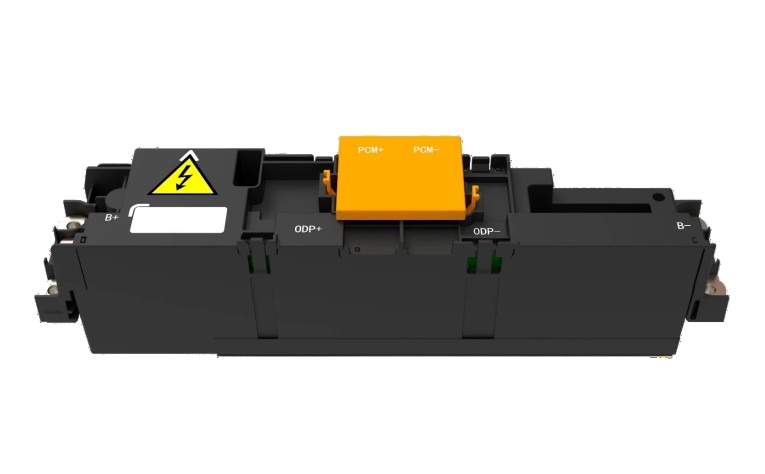
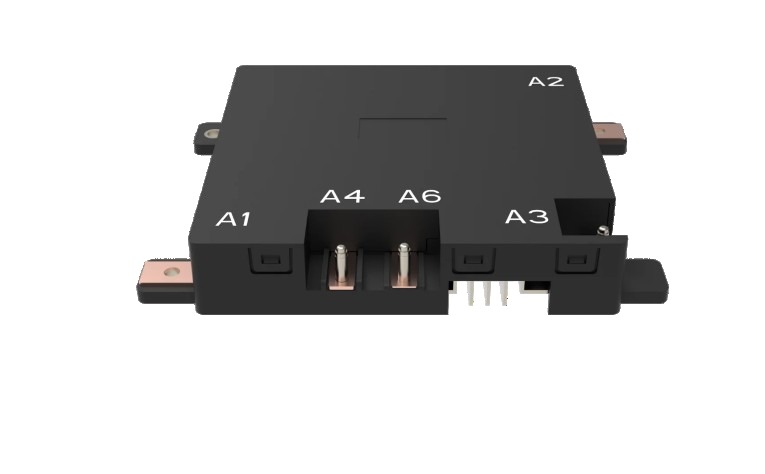
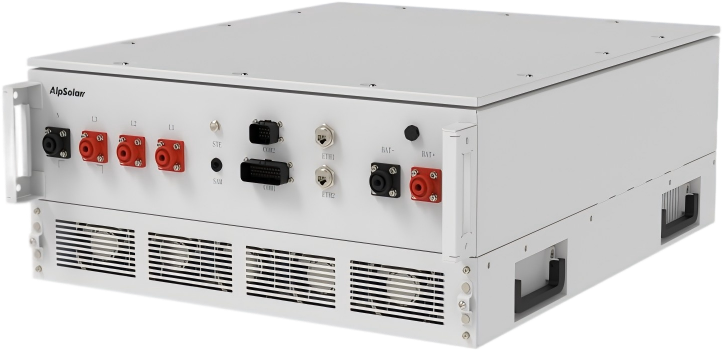
Today’s protagonist is a precision component known as the BDU (Battery Disconnect Unit), the core power distribution and safety hub of an electric vehicle’s high-voltage electrical system.
From early functional implementation to today’s intelligent integration, the evolution of the BDU is a microcosm of the progress of the NEV industry.
And in this new chapter of technology, leading enterprises represented by Ligoo New Energy are redrawing the technical boundaries of the BDU with strokes of innovation.
This article will deeply analyze the technical evolution of the BDU and unveil the past and present of this ‘guardian.’
BDU—The ‘Crossroads’ of the NEV High-Voltage System
In understanding the evolution of the BDU, we must first define its role. If the traction battery pack is compared to the car’s ‘heart,’ then the ‘blood’ pumped from the heart—high-voltage electrical energy—requires a precise and robust ‘vascular system’ for distribution and management.
The BDU is precisely the main gate and dispatch center of this system.
Its core functions are threefold:
Power distribution: distributing the high-voltage DC output from the battery pack’s total positive and total negative terminals as needed to various high-voltage consumers such as the on-board charger (OBC), DC fast-charging port (DC/DC), and motor control unit (MCU).
Protection: through precise control of the on/off timing of the main positive relay, main negative relay, etc. (especially the pre-charge process, to prevent inrush current from impacting the controllers), achieving safe system power-on and power-off.
Connection and monitoring: serving as the centralized connection point for high-voltage harnesses and working in coordination with the BMS main control board, monitoring total current and total voltage through sensors, and providing key data to the BMS to execute protection strategies.
In short, the BDU is the first physical line of defense for high-voltage safety and an intelligent switch matrix for energy flow.
The BDU’s ‘Past’: The Discrete and Extensive Early Stage
In the budding and demonstration-operation stage of NEVs, the form of the BDU was primitive yet functional.
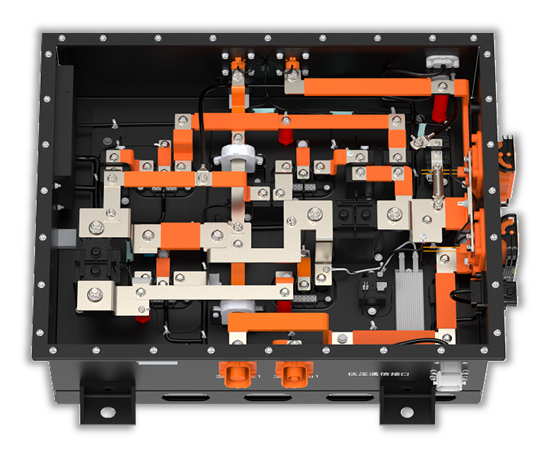
At this stage, it typically took the form of a standalone metal or engineering-plastic enclosure, crudely housing several high-current relays, fuses, and copper busbars inside. The design was rather coarse and bulky.
Core characteristics:
Functional separation: the BDU, BMS main control, and current sensors (Hall sensors) were often separate modules connected by harnesses. Integration was low, space occupation was large, and the risk of connection-point failures was relatively high.
Safety first: the primary design goal was to achieve basic high-voltage on/off and safety isolation, satisfying the most fundamental power-on, operation, and power-off sequences.
Cost-reliability trade-off: early automotive high-voltage relays were costly, and their lifespan and reliability faced severe tests. BDU design struggled to balance cost control with ensuring basic functionality.
The BDU at this stage was a ‘pioneer’ on the road of electrification exploration, solving the problem of going from nothing to something. It proved the feasibility of the high-voltage electrical architecture and laid the most primitive cornerstone for subsequent evolution, yet its efficiency, integration, and intelligence levels were all at an early stage.
The BDU’s ‘Present’: Integration, Intelligence, Platformization—Ligoo’s BMS-Integrated BDU Is Highly Representative
As electric vehicles entered the stage of mass production and market explosion, the extreme pursuit of range, cost, safety, and space utilization completely reshaped the BDU.
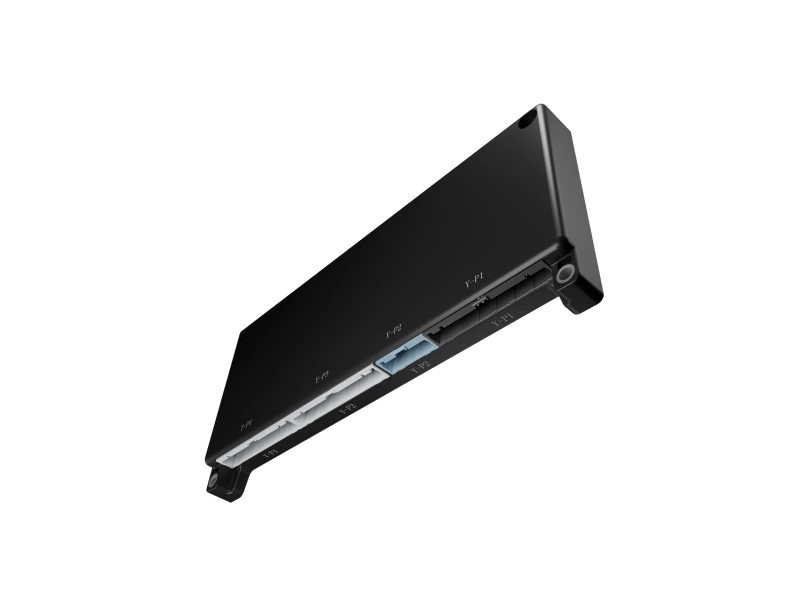
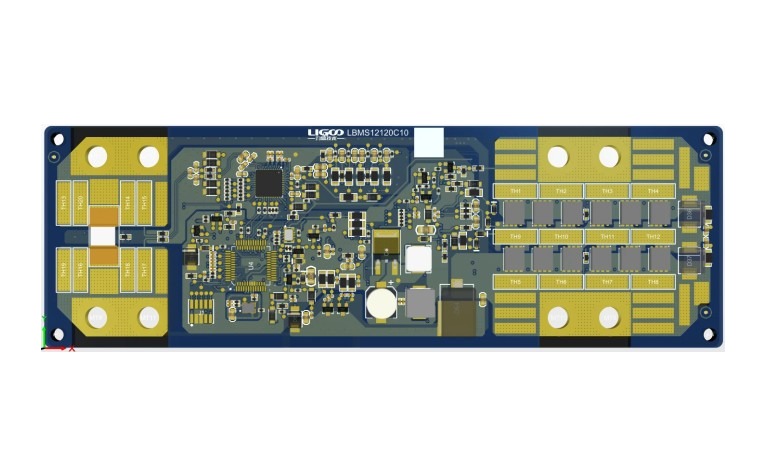
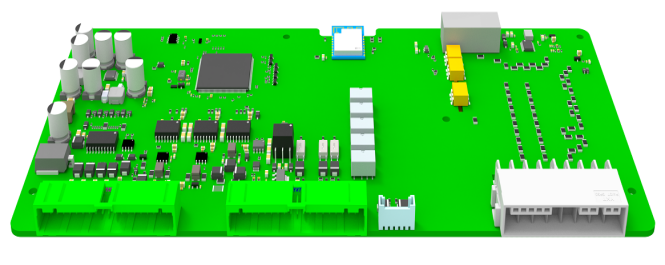
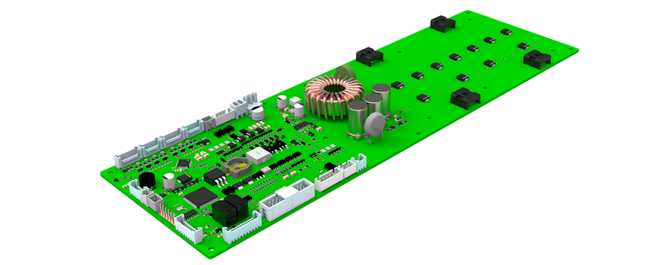
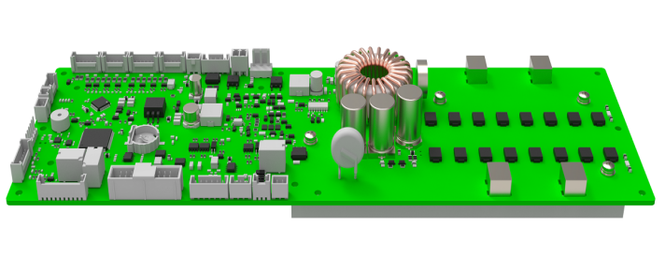
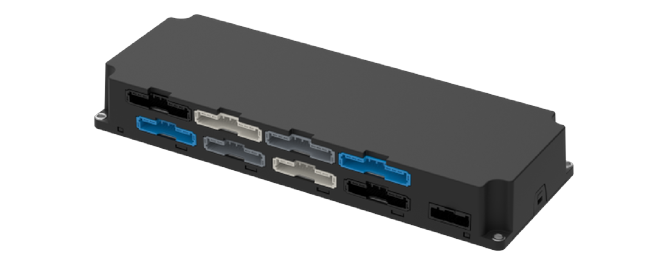
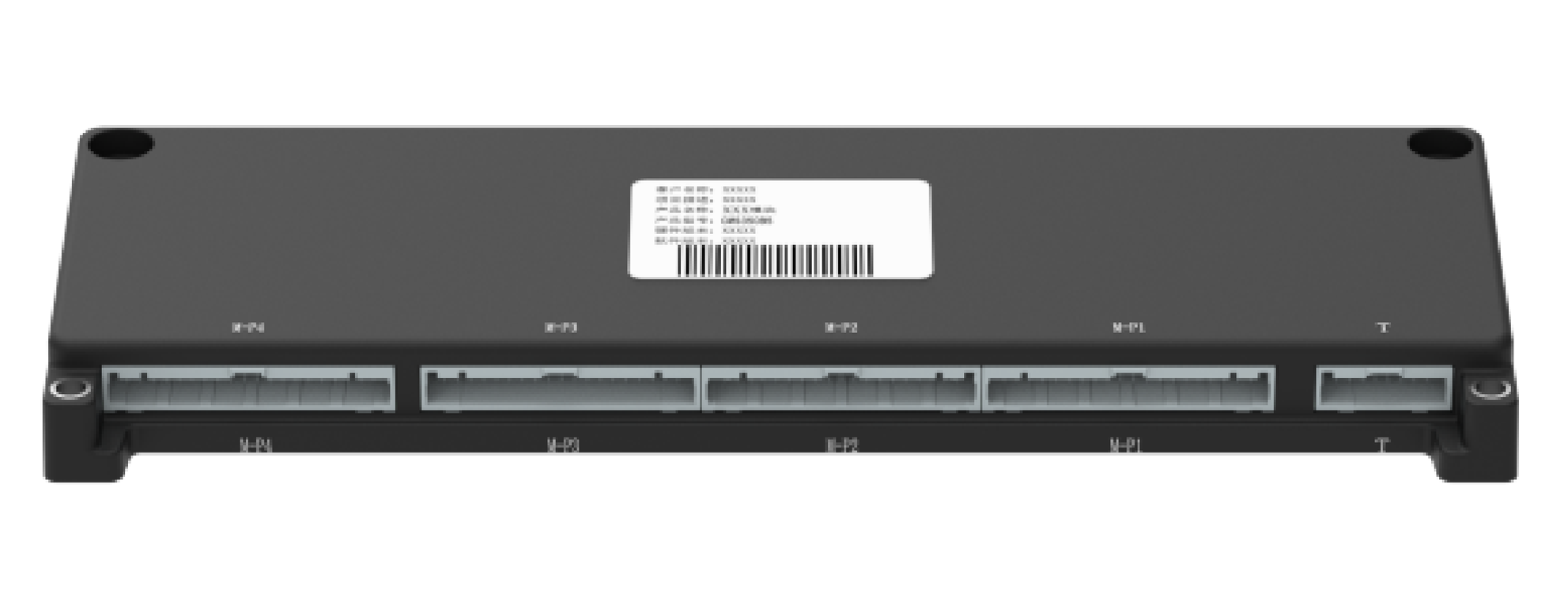
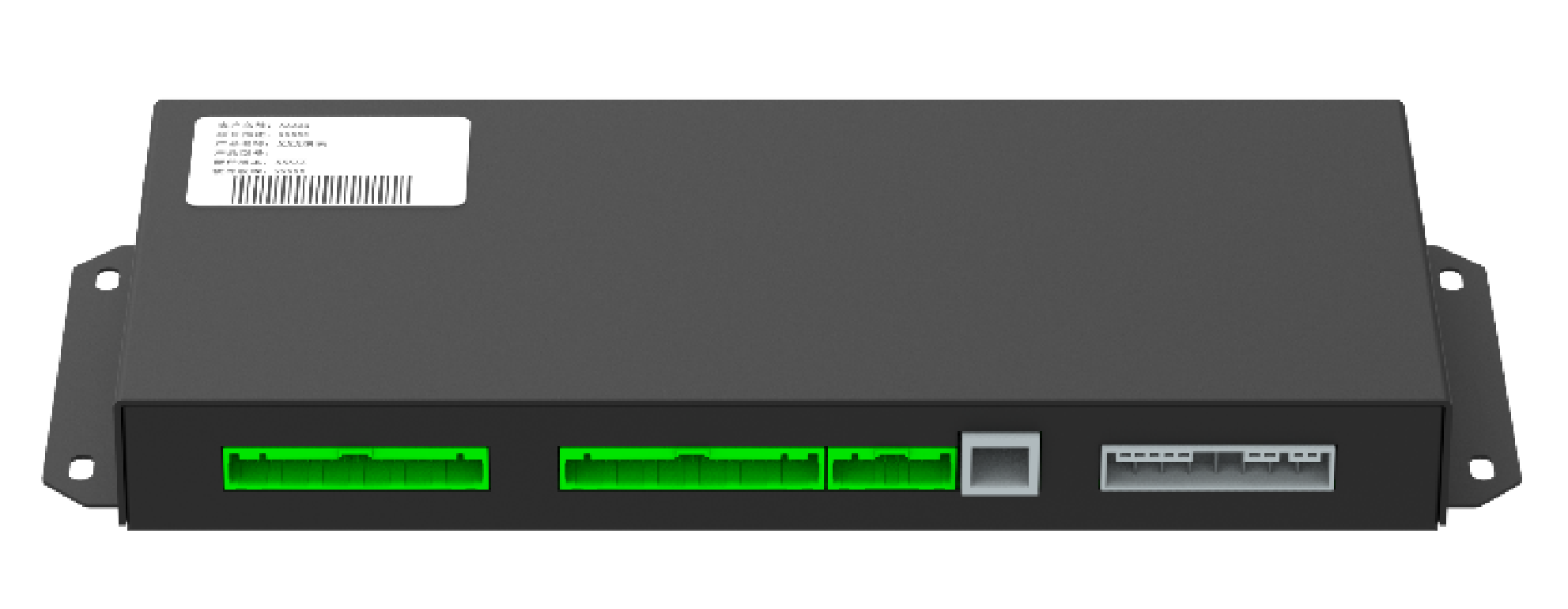
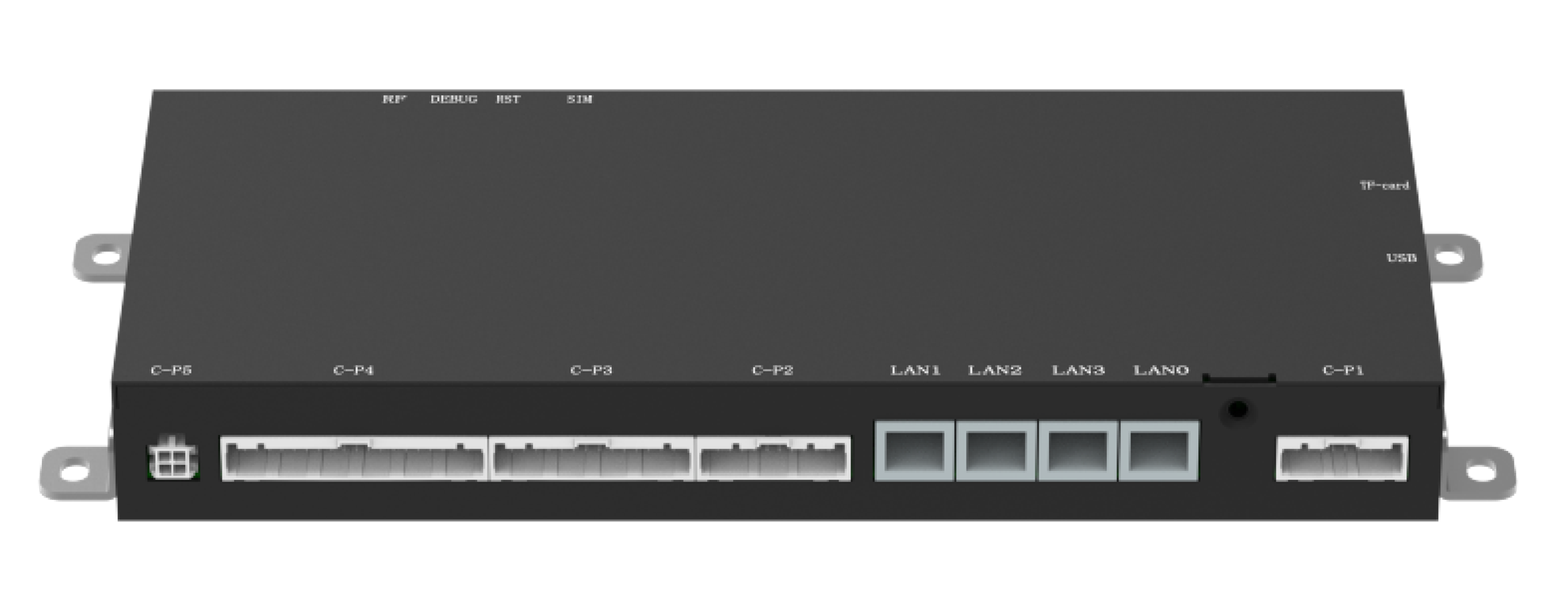
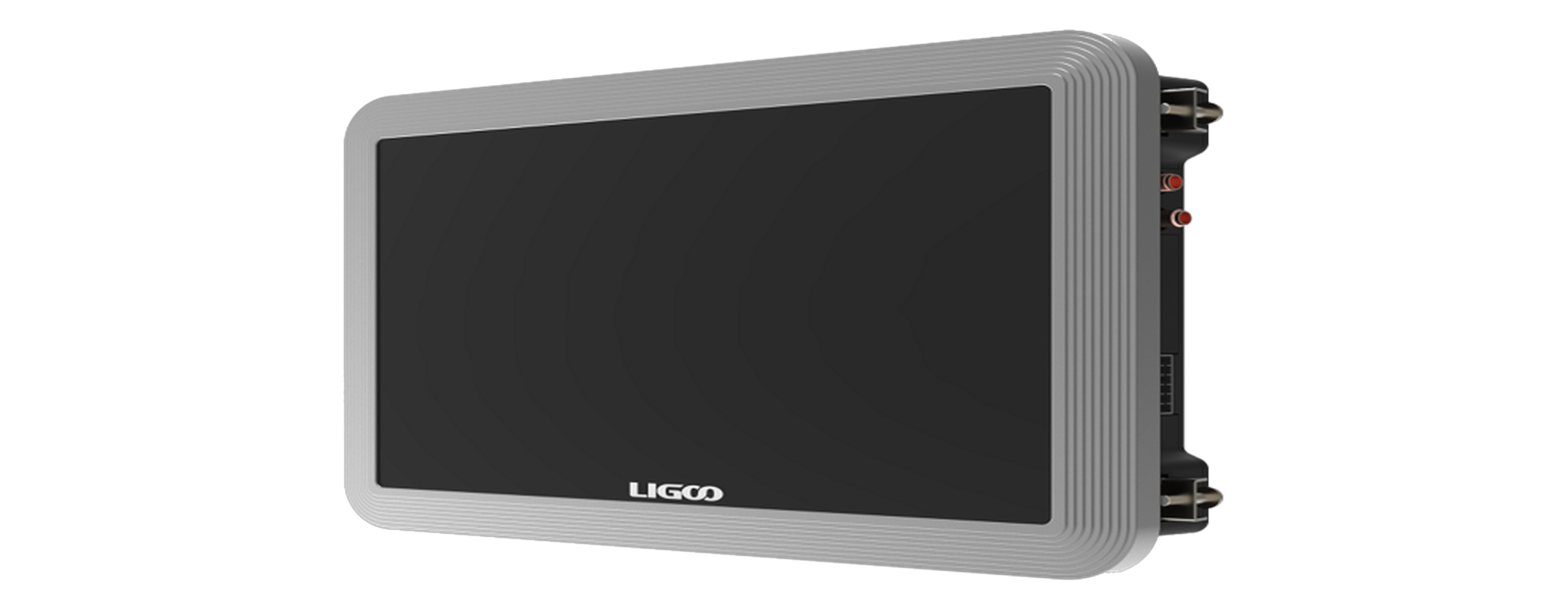
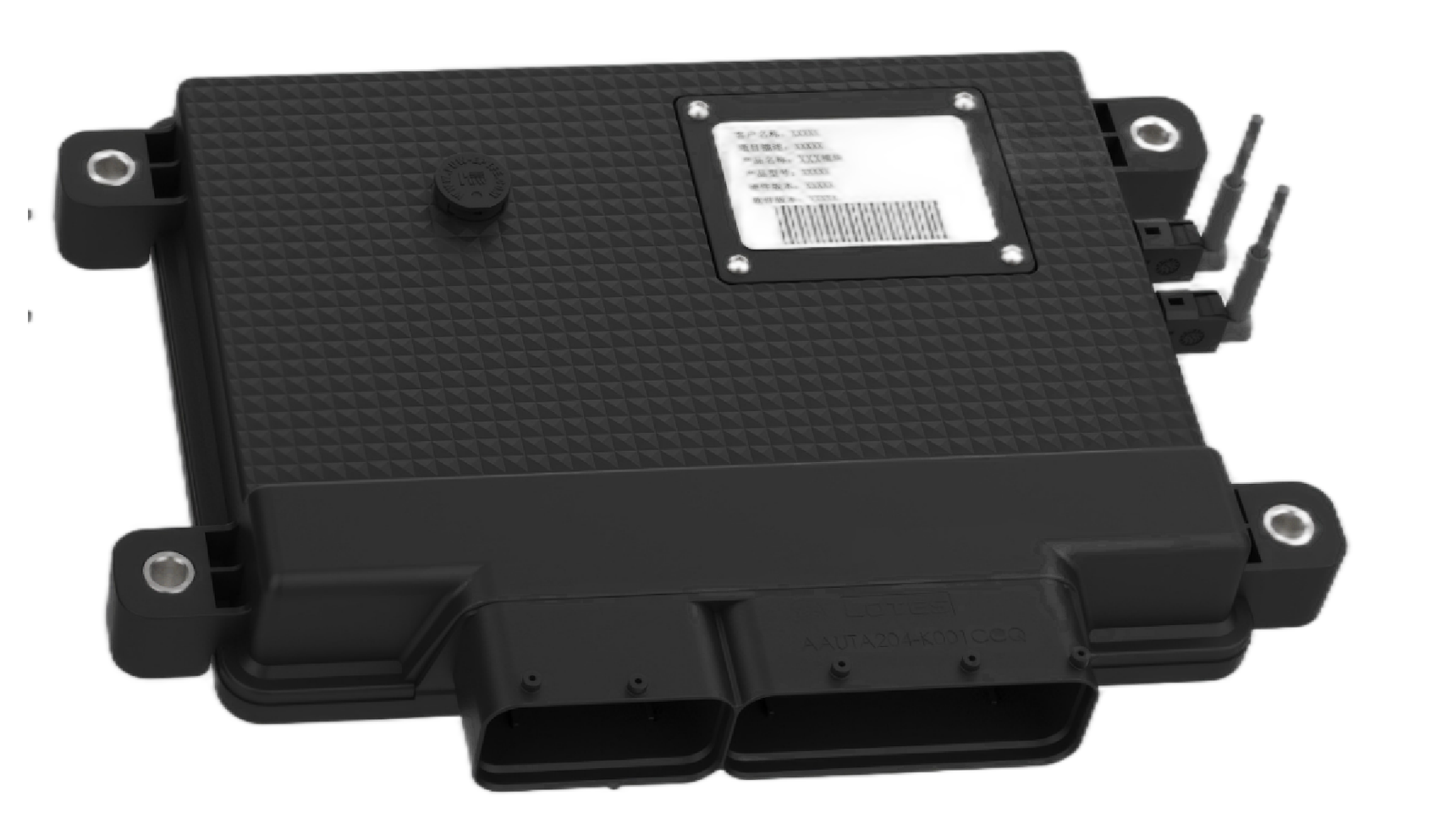
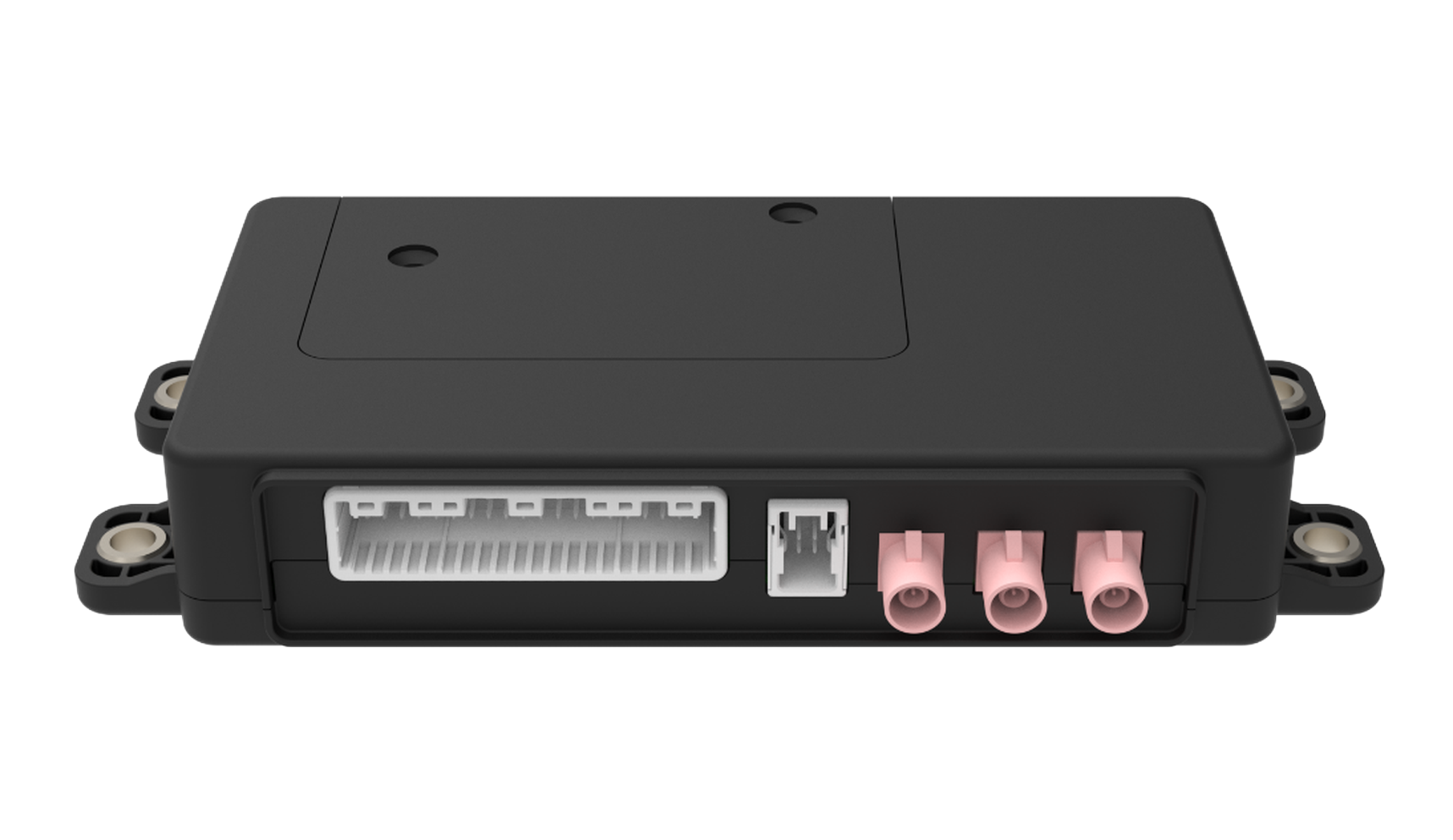
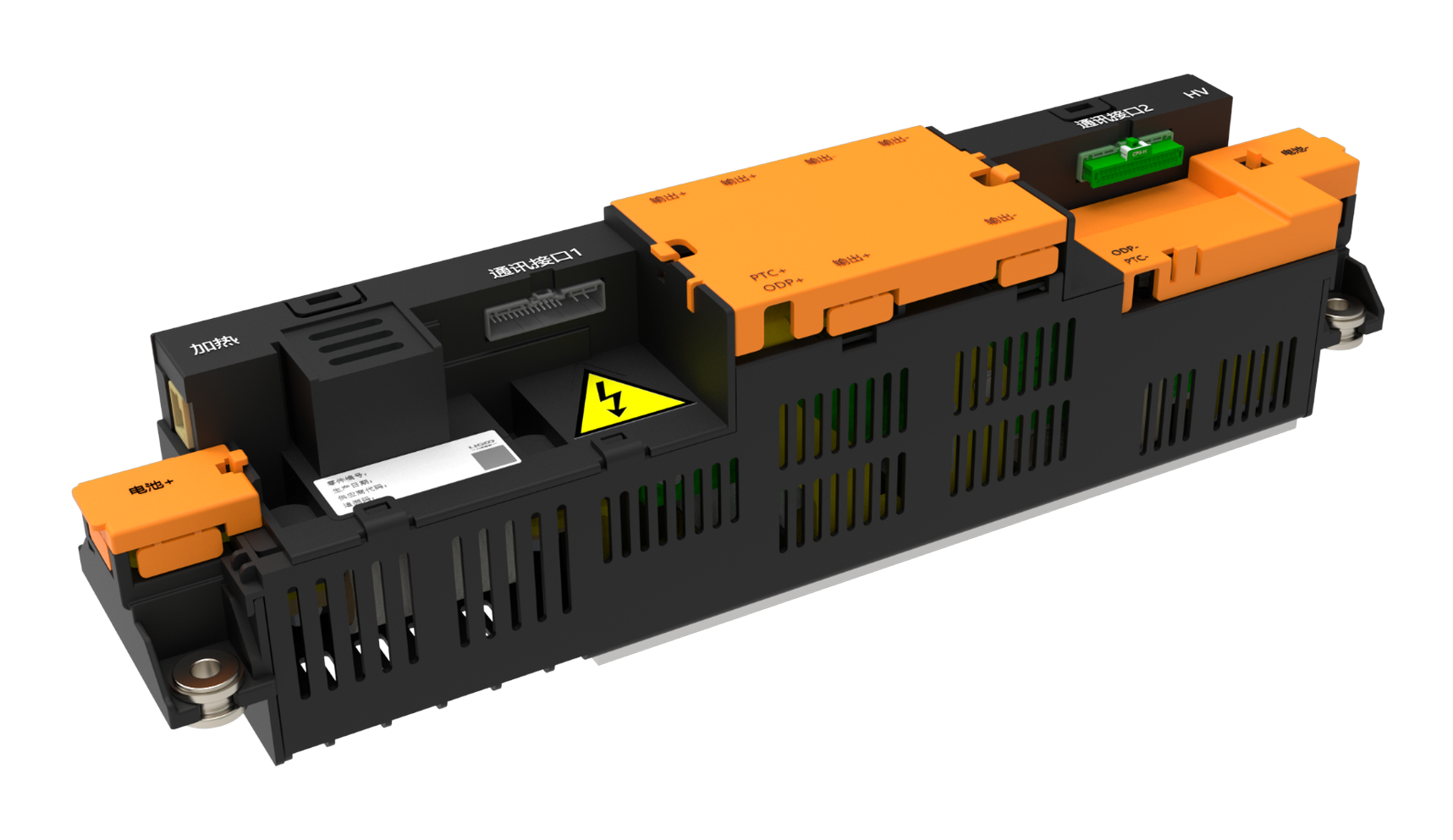
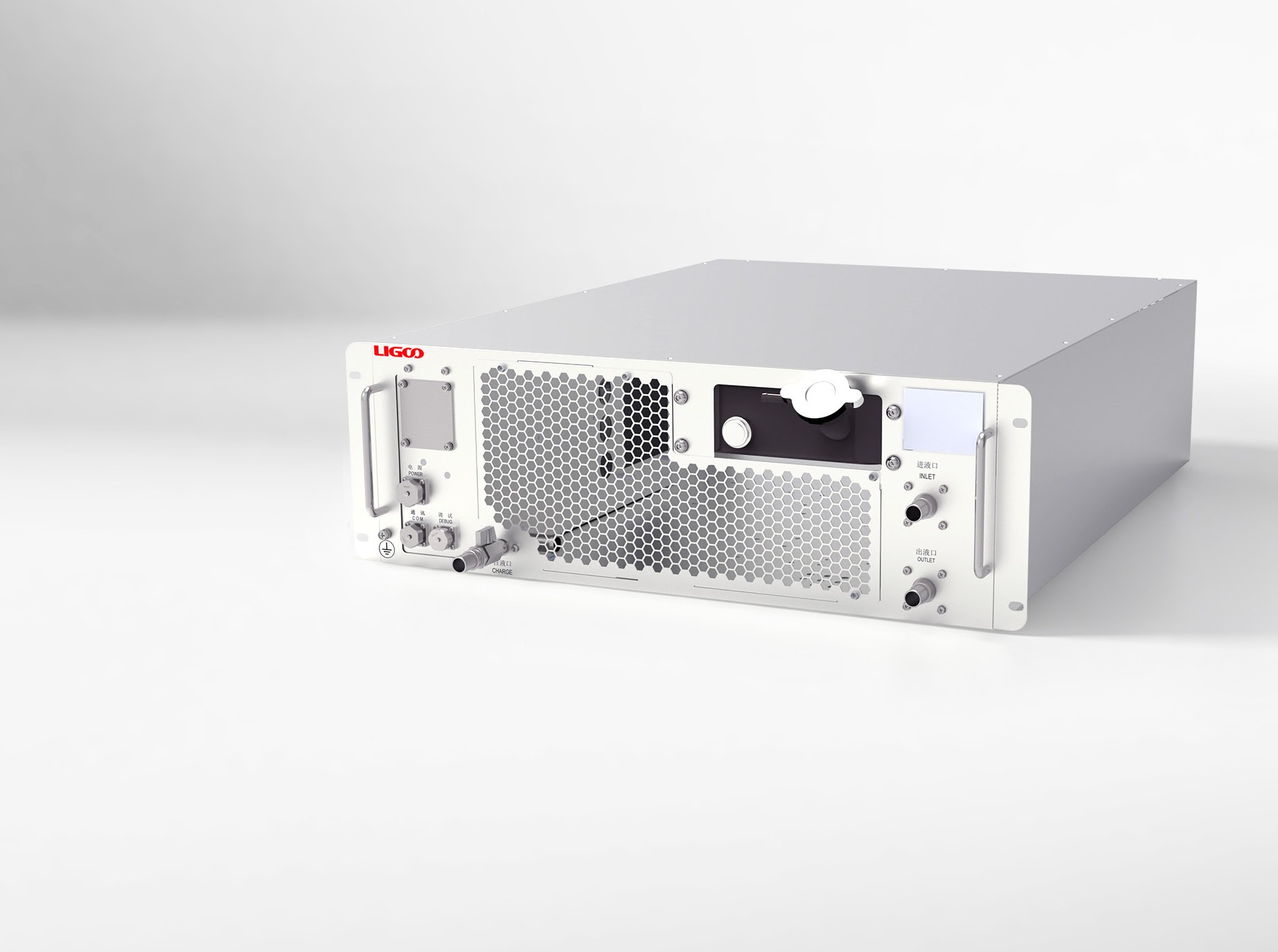
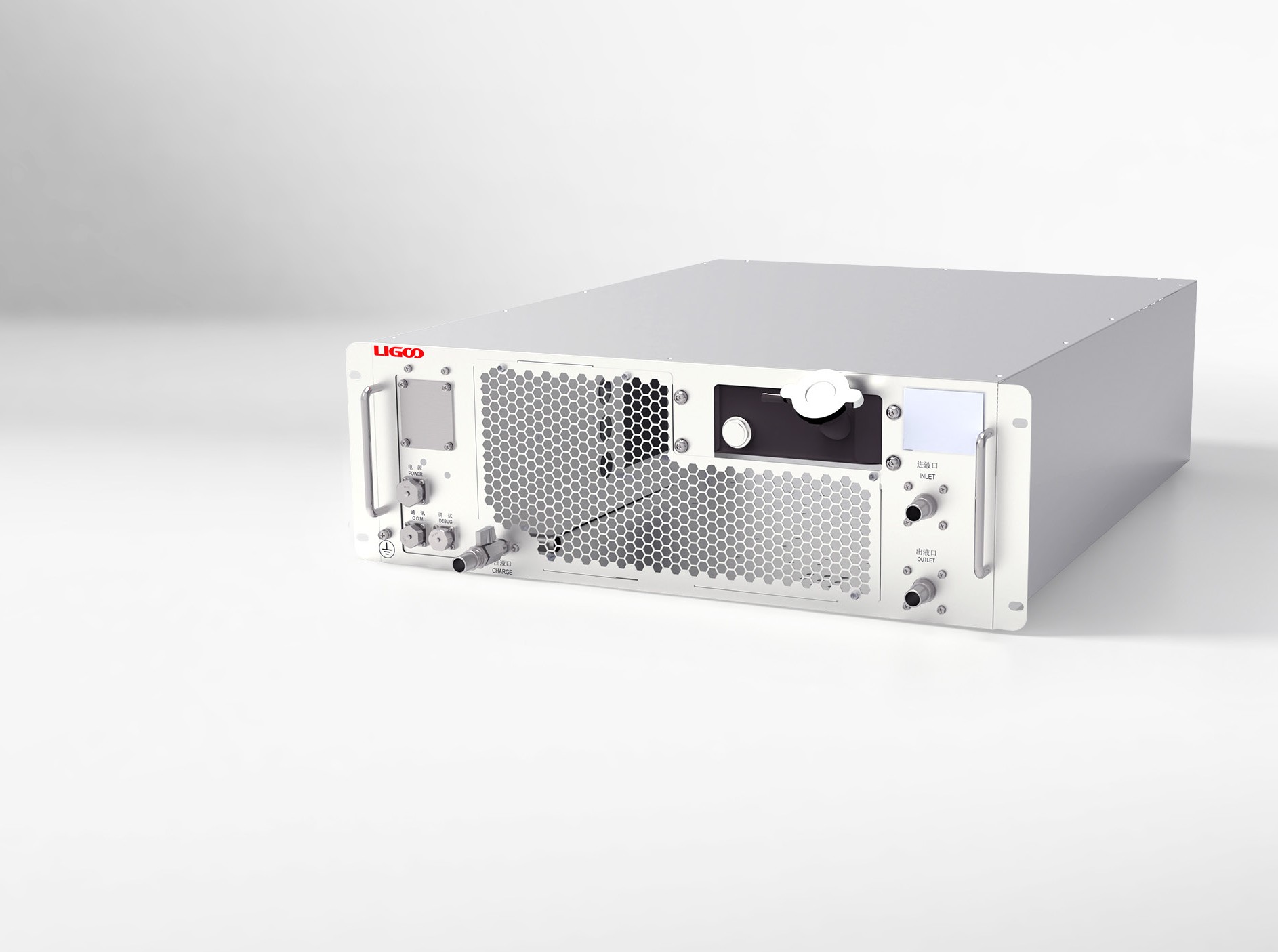
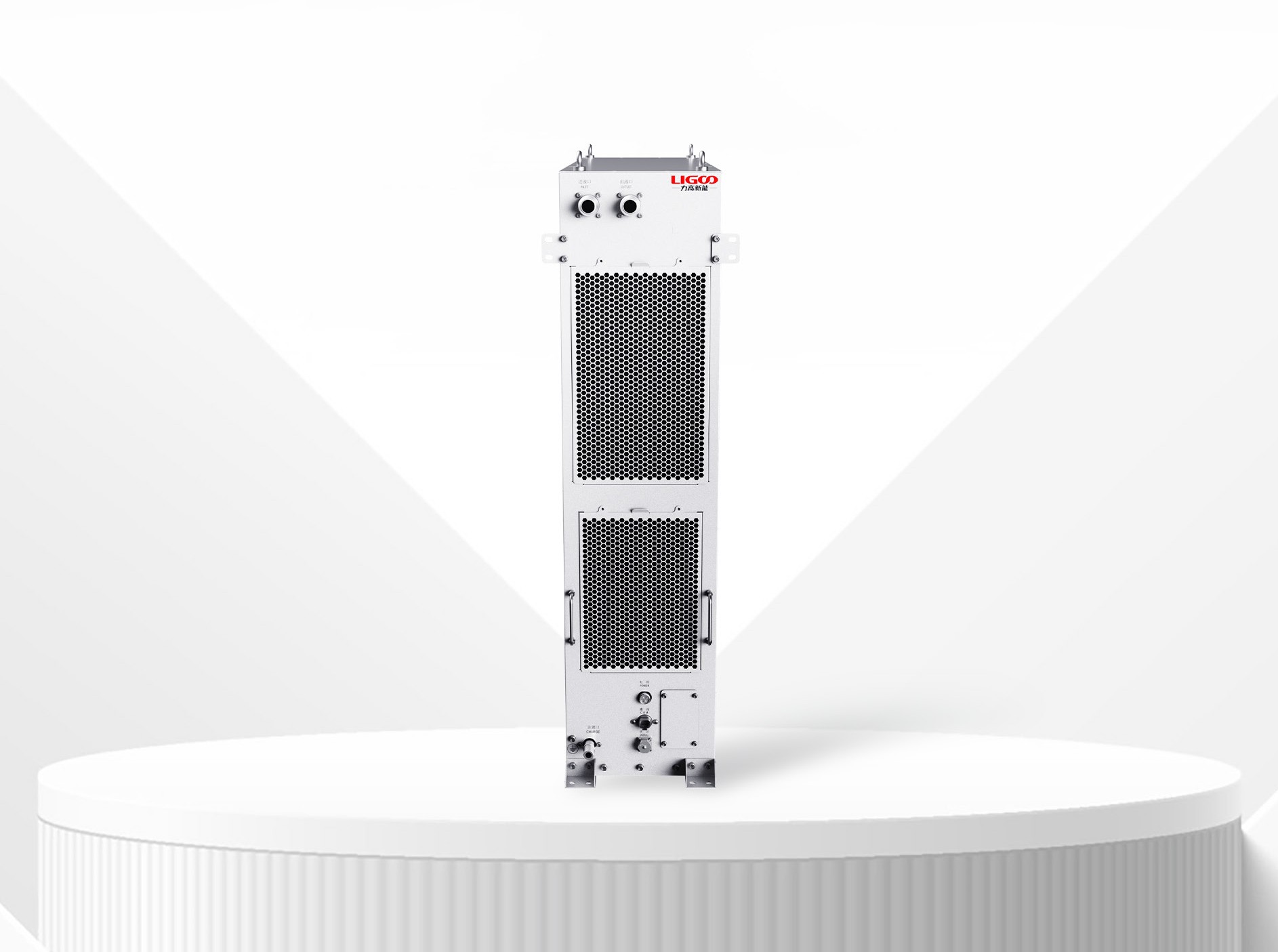
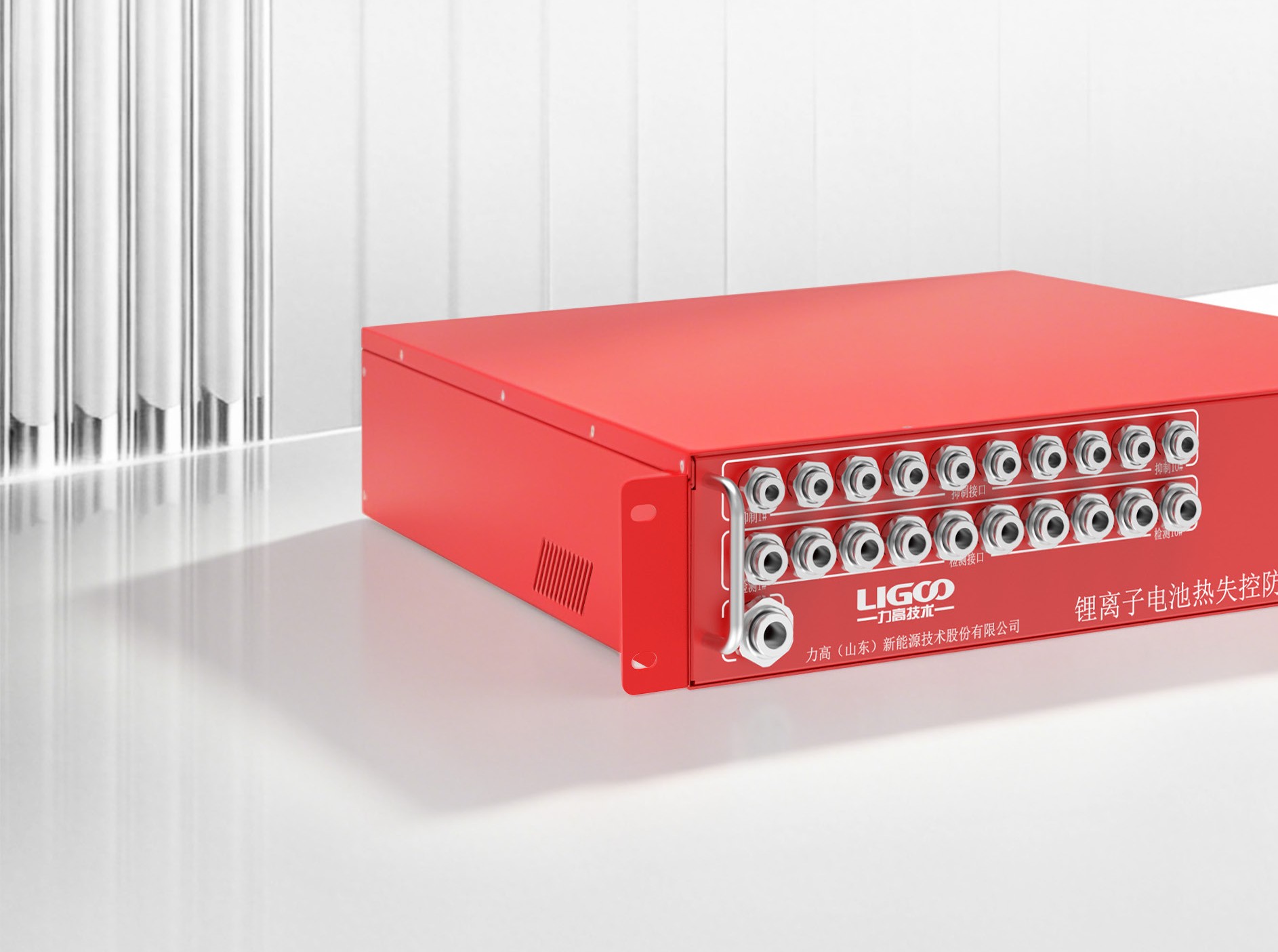
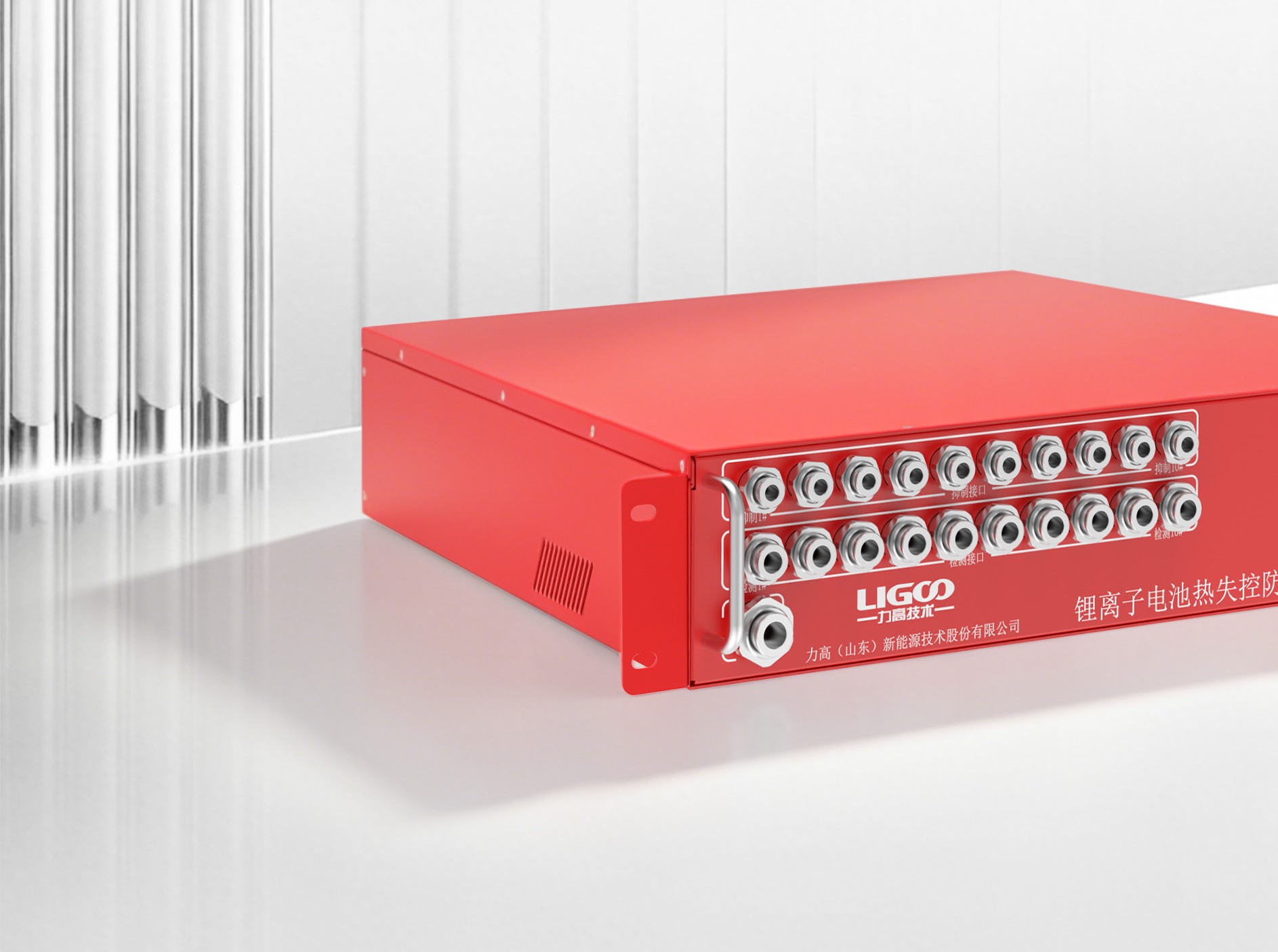
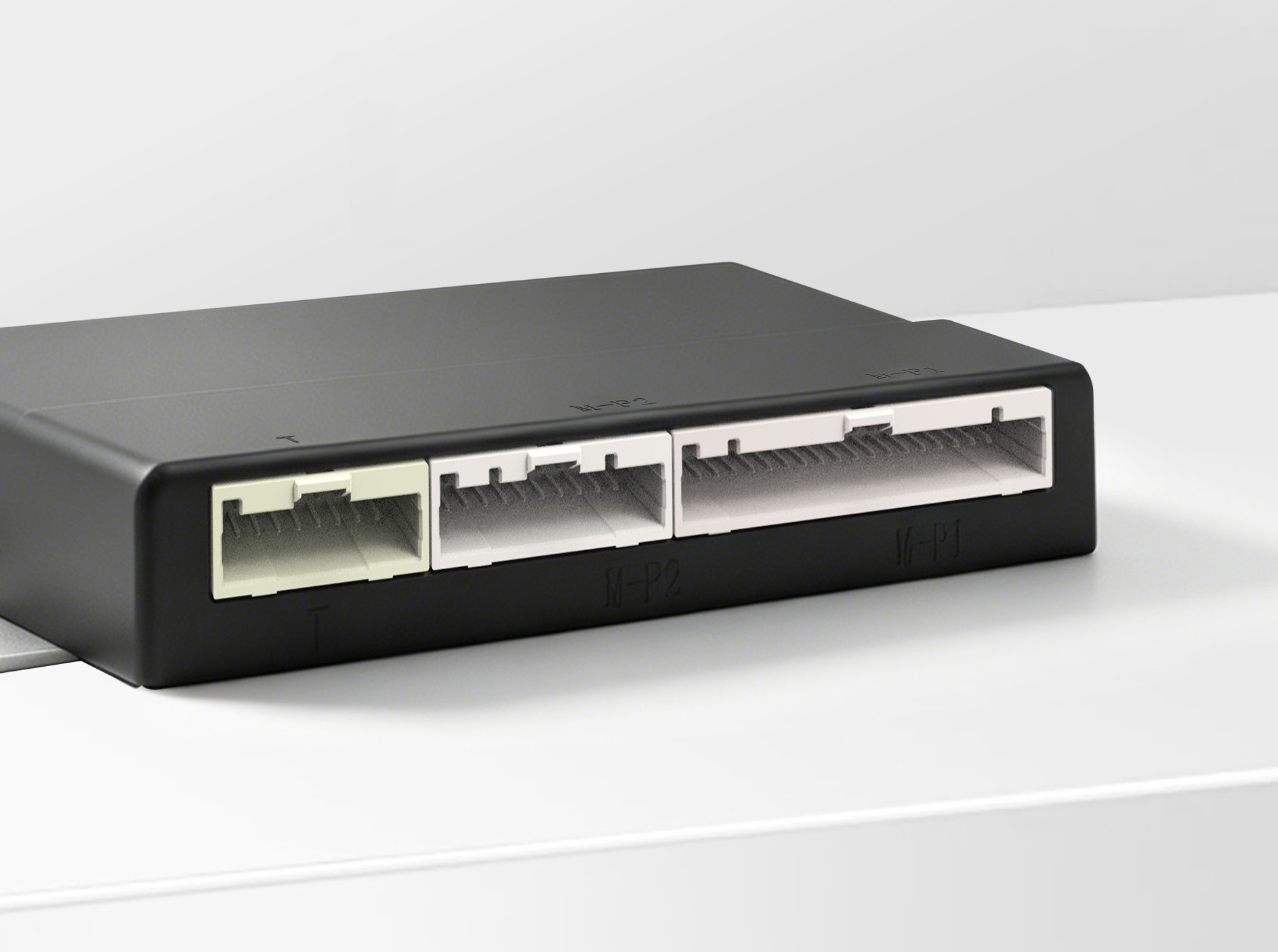
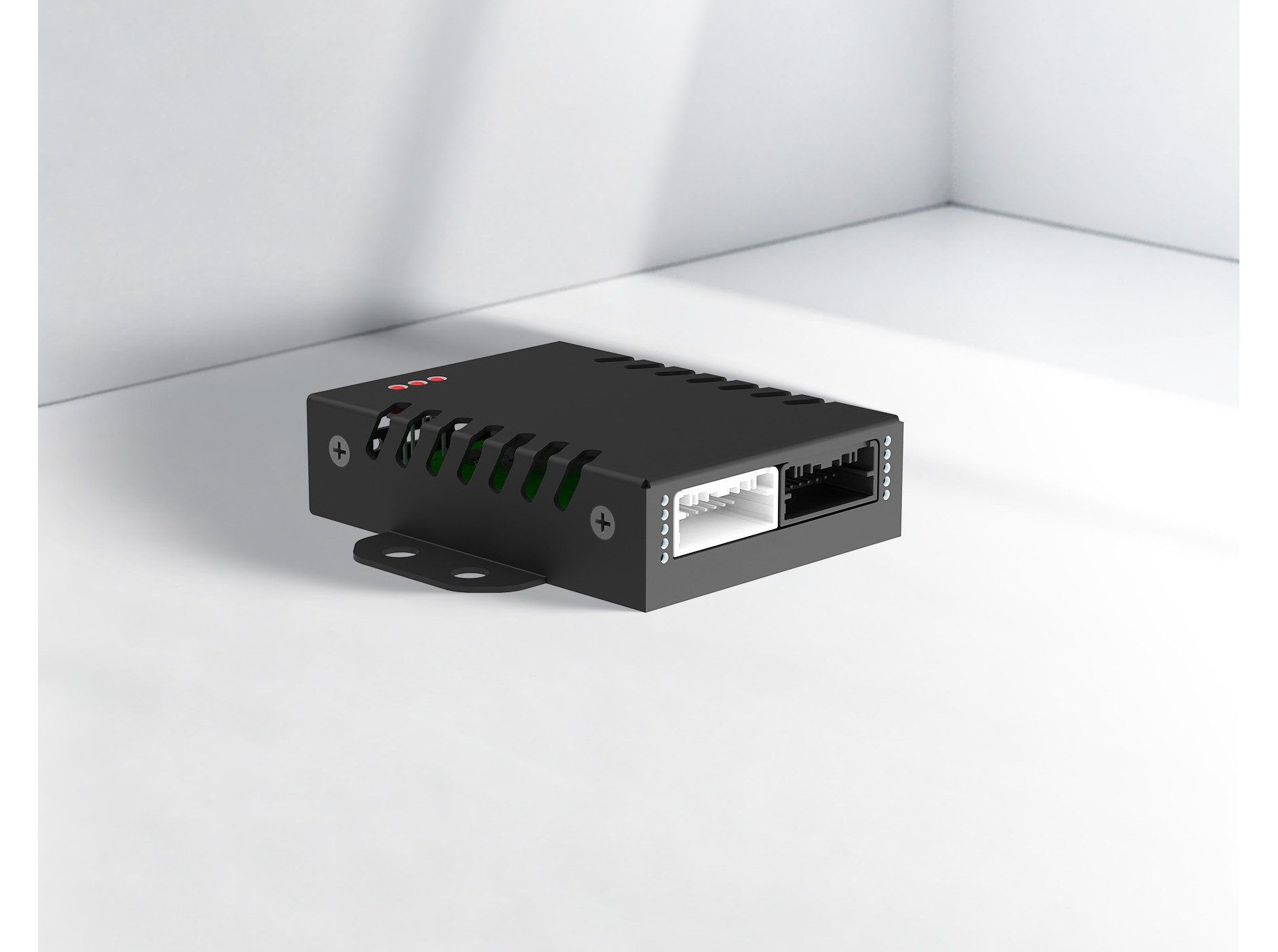
And in this field, leveraging its deep expertise in BMS, Ligoo has reshaped the technical connotation of the BDU, rapidly completing the technical leap from a ‘discrete box’ to an ‘integrated brain’ through continuous exploration and refinement of technology, and its self-developed BMS-integrated BDU is highly representative
A shift in design philosophy from ‘implementing functions’ to ‘optimizing the system’: BDU design is incorporated into the overall consideration of the entire battery pack and even the vehicle’s electrical architecture.
Ligoo’s BDU emphasizes co-design capabilities with the battery pack, the vehicle domain controller (VDC), etc., pursuing higher system-level energy efficiency and ultimate reliability through optimizing internal structures, improving thermal design and simulation capabilities, and fully electronizing components.
Platformization and standardization: to address diverse vehicle-model requirements, Ligoo has developed a modular, scalable CBB technology platform that can be flexibly configured on demand per project, rapidly adapting to different voltage platforms and power requirements and deriving product series.
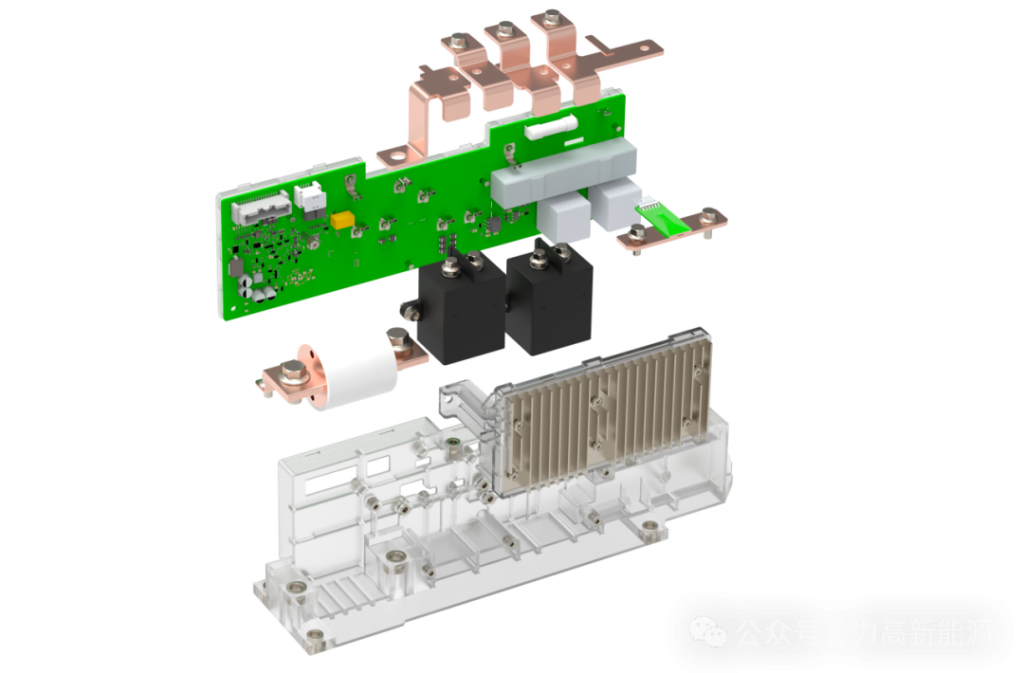
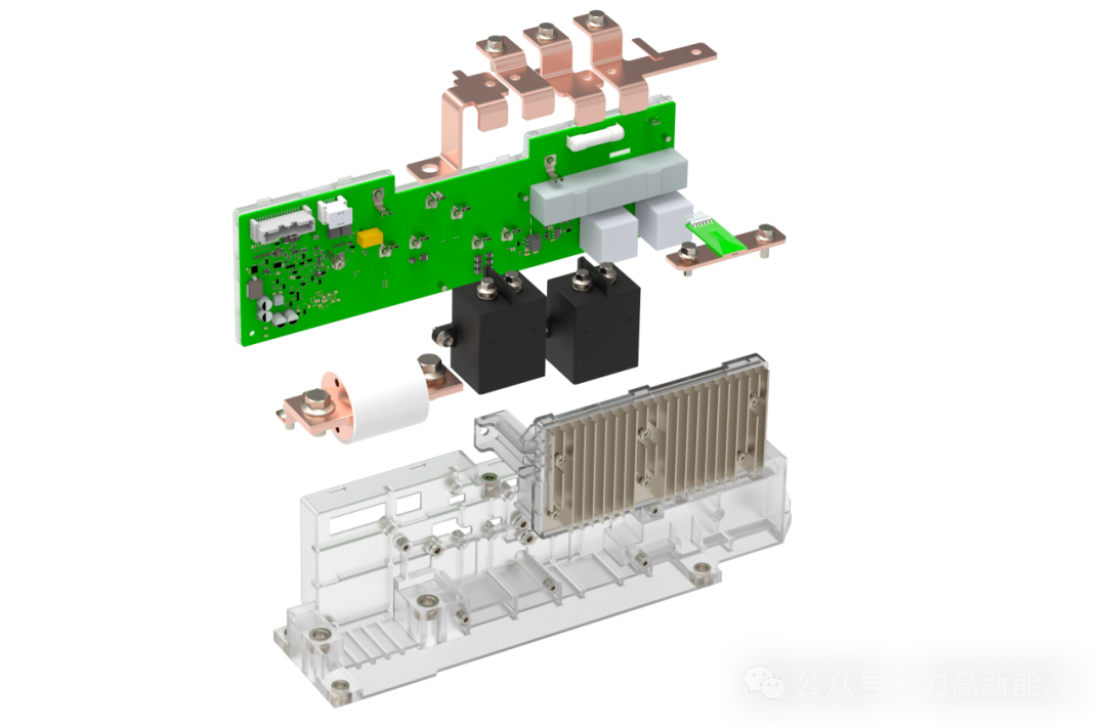
Higher integration, smaller size: Ligoo’s BDU achieves deep integration and deeply optimizes material processes, component configuration, and platform-based development and production, saving a large number of harnesses and connectors, simplifying the PACK internal structure, reducing volume by more than 50%, improving reliability, and significantly lowering deployment costs.
Fully automated production line: Ligoo’s self-developed BMS-integrated BDU has achieved a zero-harness, zero-bolt design, requiring no manual wiring, and can be produced fully automatically.
Compared with the manual wiring of traditional BDUs, Ligoo’s automated production line not only greatly improves efficiency but also further guarantees product quality.
Ligoo’s BMS-integrated BDU has evolved into a highly integrated, intelligently controllable, platform-designed key subsystem, and is an important link in the evolution of the vehicle’s electrical/electronic architecture toward domain control.
The Future Is Here: A Forward Look at the BDU’s ‘Future’
The wave of technology rolls forward, and BDU evolution continues. With deep professional heritage and innovative momentum, Ligoo has extended its forward-looking vision of BDU technology into the farther future.
Deeper ‘domain fusion’: under the vehicle architecture of ‘central computing + zonal control,’ the BDU further integrates with the zonal control unit (ZCU) or powertrain domain controller (VDC), becoming a zonal intelligent node that executes high-voltage distribution functions.
Higher-voltage platforms: Ligoo’s BDU can adapt to various voltage platforms such as 350V, 500V, and 800V. With the popularization of high-voltage fast-charging platforms, all components inside the BDU (relays, fuses, harness connectors) require higher voltage-withstanding ratings and stricter insulation design, raising the technical bar once again.
Full lifecycle management: through AI algorithms, deeply analyze data such as relay contact resistance and temperature inside the BDU to achieve fault prediction and maintenance reminders, moving from ‘passive protection’ to ‘active management.’
……
From extensive to precise, from discrete to fused, from the initially single-function ‘high-voltage switch box’ to today’s integrated ‘intelligent power distribution hub,’ the BDU defines safety and efficiency in silence.
On this path of technological leap, Ligoo takes its deep technical accumulation as ‘No. 1 in specialized BMS’ as the base, expands strategically upward, starts from the ‘brain’ (BMS), and reconstructs the ‘hands’ (BDU) in reverse, demonstrating a distinctly different technical path, achieving a ‘cornering overtake,’ and consolidating the cornerstone of NEV safety, energy efficiency, and reliability.